
Categories
 CCTV Accessories
 DVR & NVR Recorders
Products
-
 CCTV Installation Service (Demo)
₨5,000.00
-
8-Port PoE Switch for CCTV (Demo)
₨12,500.00
-
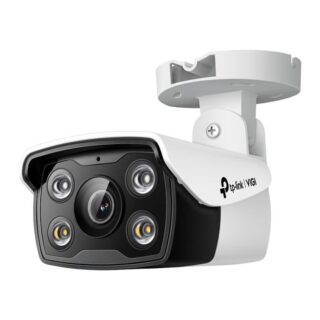 Solar 4G CCTV Camera (Demo)
₨24,000.00
-
 4K 8-Channel NVR Recorder (Demo)
₨42,000.00
-
 8MP 4K Bullet CCTV Camera (Demo)
₨18,500.00
WHY CHOOSE SECUREVISION

SecureVision, Lahore
We install what we sell — and we support it after installation.
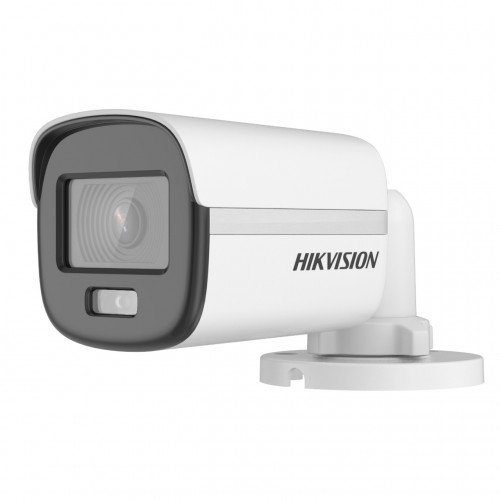
Genuine Brands
Hikvision, Dahua, TP-Link, Ezviz and Imou cameras, DVRs, NVRs and complete kits.
Lahore-Based CCTV Specialist
Sales, installation and after-sales support for homes, shops, offices and warehouses in Lahore.
Competitive Prices in PKR
Cameras, recorders, kits and accessories at fair PKR prices.
Complete Kits
Cameras, DVR/NVR, cables and power supplies in one packag

This WiFi vs wired CCTV cameras guide helps you choose the right system. WiFi cameras are everywhere now, and for good reason: they are easy to install and you can view them from your phone in minutes. But wired cameras are still the standard for serious security, especially for shops, offices, and larger homes. So which one should you buy? The answer depends on your property, your internet, and how critical the footage is.
This guide compares WiFi and wired CCTV honestly, covering reliability, image quality, installation, and cost, so you can make the right choice instead of the most convenient one.
WiFi Cameras: Easy, Flexible, and Great for Small Spaces
WiFi cameras connect to your home or shop router wirelessly, so you do not need to run video cables. Most models support pan and tilt, two-way audio, motion alerts, and mobile app viewing. They are ideal for flats, rented homes, small shops, baby rooms, and indoor monitoring.
Our WiFi range includes the TP-Link Tapo C200 at Rs 8,900, the Ezviz C6N at Rs 9,800, and the Imou Ranger 2 at Rs 10,500. These are popular because they are affordable, easy to move, and simple to set up without an installer.
The main limitation is dependence on your WiFi. Thick walls, long distances, and crowded routers can cause lag, dropped connections, or missed recordings. WiFi cameras also still need a power point nearby, so they are not truly wire-free.
Wired Cameras: Reliable, Stable, and Built for Security
Wired cameras connect to a DVR or NVR with a physical cable, either coaxial cable for analog cameras or network cable for IP cameras. Because the connection is dedicated, wired cameras are more stable, less affected by interference, and better suited to 24/7 recording.
Wired systems also scale better. You can add cameras to a DVR or NVR, store weeks of footage on a surveillance hard drive, and view everything in one app. For a shop, warehouse, office, or large home, a wired system is almost always the safer investment.
The trade-off is installation. Running cables through ceilings and walls takes time and usually needs an installer, especially for outdoor cameras mounted high. That is why a complete CCTV kit is popular: it includes the cameras, recorder, cables, and power supply in one matched package.
Internet Dependence and Power Cuts
WiFi cameras rely on your internet connection for remote viewing and cloud alerts. If your internet goes down, you may lose remote access, and some WiFi cameras stop recording to the cloud until the connection returns. Local storage on a memory card can help, but it is limited compared with a DVR or NVR hard drive.
Wired cameras connected to a DVR or NVR keep recording locally even if the internet goes down, as long as they have power. You will not be able to view them remotely during an outage, but the footage will still be there when you return. For security-critical locations, that local recording is a major advantage.
Both types need power during load shedding. Ask your installer about UPS backup for your recorder, router, and cameras if continuous recording matters to you.
Image Quality and Night Vision
Image quality depends more on the camera model than on WiFi versus wired alone. However, wired IP cameras generally offer higher resolution and more consistent frame rates, because they are not sharing your home WiFi with phones, laptops, and smart TVs.
WiFi cameras are excellent for indoor detail and close-range viewing, such as a living room or shop counter. For long driveways, gates, and warehouses where you need to identify faces or number plates, wired cameras with strong infrared night vision usually perform better.
Cost Comparison
For one or two cameras, WiFi is usually cheaper overall, because you avoid recorder and cabling costs. A single WiFi camera costs about Rs 8,900 to Rs 10,500 in our store. For four or more cameras, a wired kit often works out better value: our 4-camera kit starts from Rs 49,500, and a wireless 4-camera kit with NVR costs Rs 64,000 if you want wireless cameras with central recording.
Do not forget storage. WiFi cameras often use memory cards or cloud subscriptions, while wired systems use a surveillance hard drive, such as a WD Purple 1TB drive at Rs 21,500. Compare total cost over two years, not just the camera price.
WiFi vs Wired CCTV Cameras: Which One Should You Buy?
Choose WiFi if you rent, need one or two indoor cameras, want quick installation, or need to monitor a room from your phone. Choose wired if you own the property, need outdoor security, want 24/7 recording, or plan to expand to four or more cameras.
Many homes use both: wired cameras for gates and outdoor boundaries, and a WiFi camera indoors for easy checking. If you are unsure, start with our Lahore buying guide or browse the full CCTV Cameras range.
Frequently Asked Questions
Do WiFi cameras work without internet?
Most WiFi cameras can record to a memory card without internet, but you will not be able to view them remotely or receive alerts until the connection returns.
Are wired cameras hard to install?
They take more work than WiFi cameras, because cables must be run to each camera. A professional installer can usually complete a 4-camera wired system in a day, depending on the property.
Can I mix WiFi and wired cameras?
Yes, in many homes. Use wired cameras for critical outdoor areas and WiFi cameras for flexible indoor coverage, and view them through their respective apps or a compatible recorder where supported.
Which is more secure against hacking?
Wired systems are harder to interfere with remotely, because they do not rely on WiFi. For any camera, use a strong password, keep firmware updated, and do not share access with people you do not trust.
Call SecureVision, Lahore: +92 305 2421256 — tell us about your home or shop and your internet setup, and we will recommend WiFi, wired, or a mix that fits your needs and budget.
Related guides: how many CCTV cameras you need for home and shop and CCTV installation guide for Lahore. You can also browse CCTV cameras in the SecureVision shop. For manufacturer information, see Hikvision.

2 thoughts on “WiFi vs Wired CCTV Cameras: Which One Should You Buy?”
-
Pingback: CCTV Installation Guide: What to Know Before Installing Cameras in Lahore - SecureVision
-
Pingback: Best CCTV Cameras in Lahore 2026 | SecureVision
Leave a Reply
ABOUT ME

Hi, I'm Adeel Ahmed, owner of SecureVision — your CCTV camera store in Lahore. I help homes and businesses stay secure with the right cameras, recorders and complete kits. Call me: +92 305 2421256.
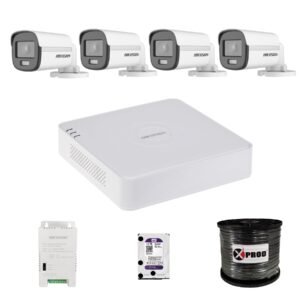
KNOW MORECOMPLETE CCTV KITS
FROM THE BLOG
This CCTV installation in Lahore guide explains what to know before you install cameras. Buying cameras is only half the job. Where you put them, how high you mount them, how you run the cables, and how you store the footage decide whether your system actually protects you. This guide covers what to know before …
CCTV Installation Guide: What to Know Before Installing Cameras in LahoreRead More

This guide answers how many CCTV cameras you need for your home or shop. One camera at the front door is a start, but it is not a security system. The right number of CCTV cameras depends on your entrances, blind spots, and what you actually want to see. Too few cameras leave gaps. Too …
How Many CCTV Cameras Do You Need for Home and Shop?Read More
This WiFi vs wired CCTV cameras guide helps you choose the right system. WiFi cameras are everywhere now, and for good reason: they are easy to install and you can view them from your phone in minutes. But wired cameras are still the standard for serious security, especially for shops, offices, and larger homes. So …
WiFi vs Wired CCTV Cameras: Which One Should You Buy?Read More